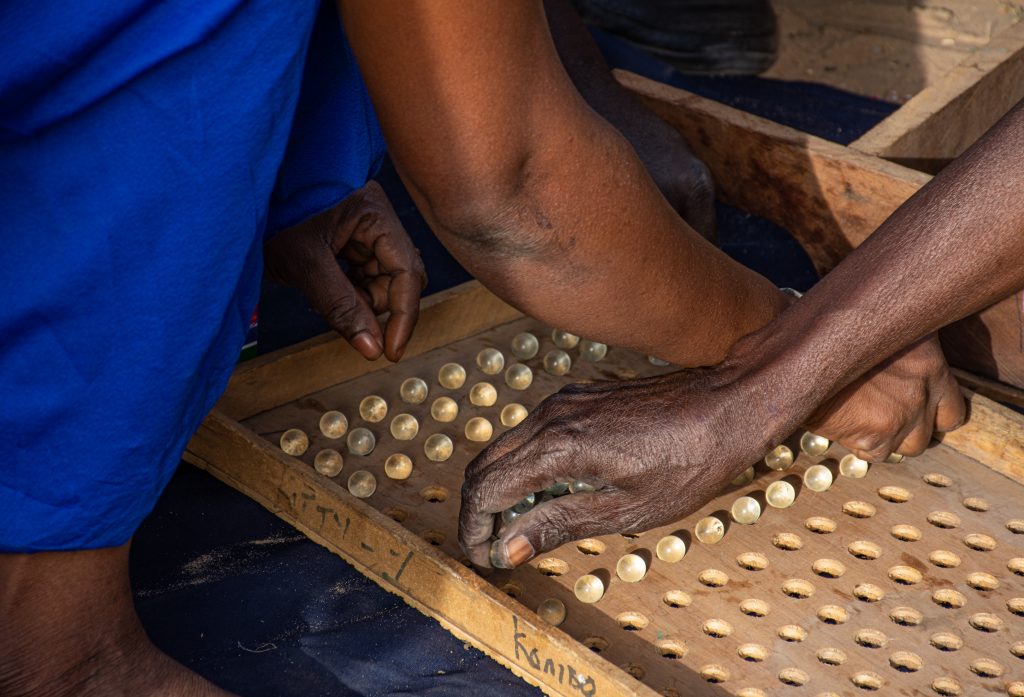
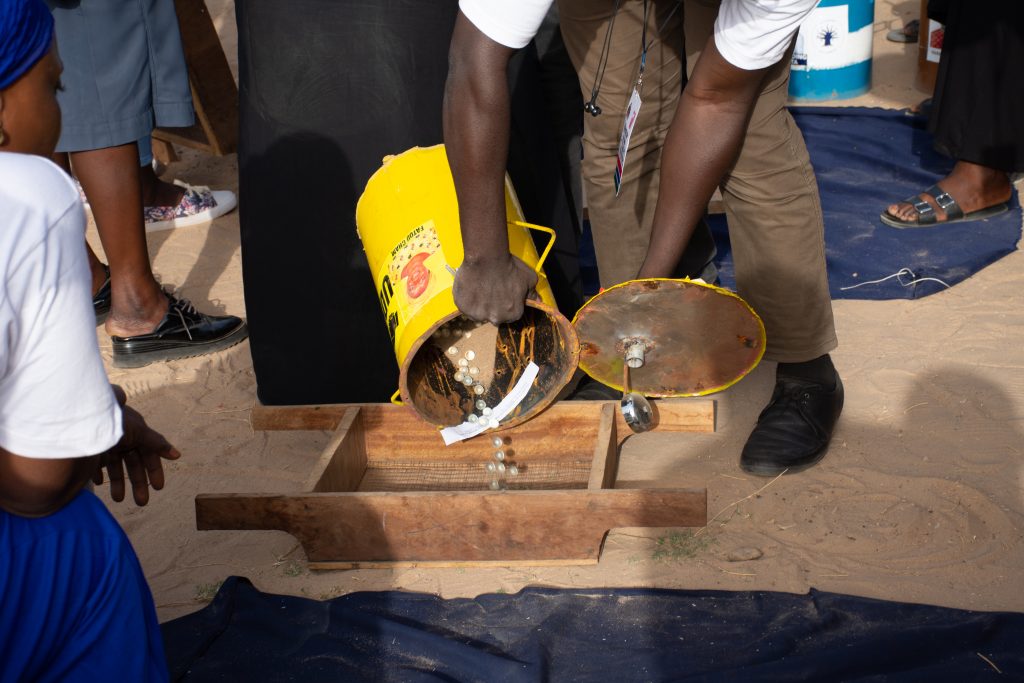
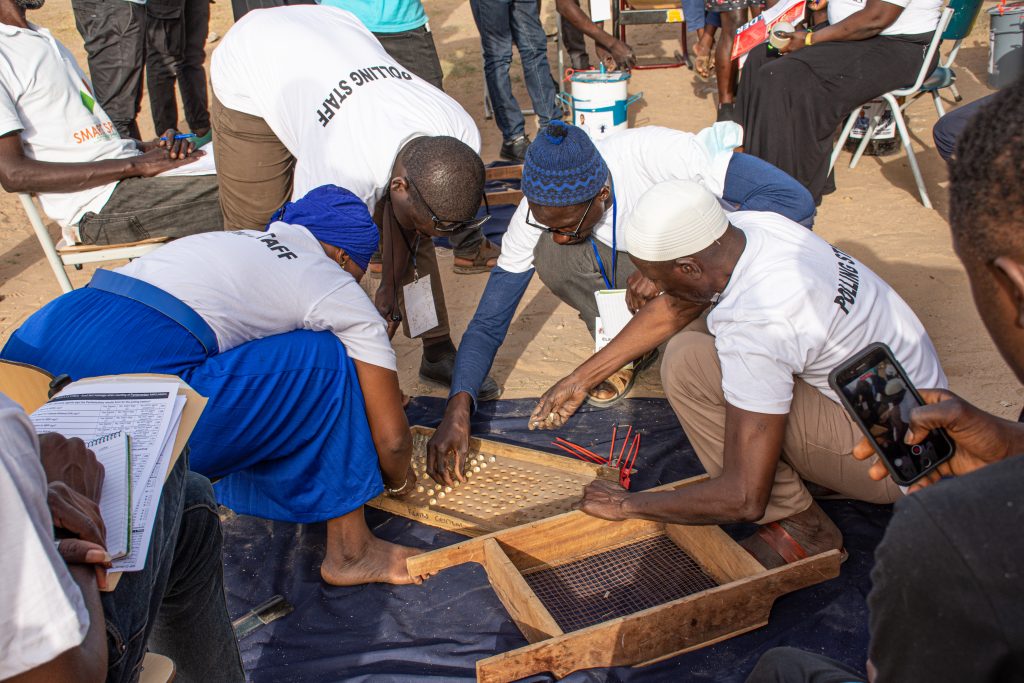
Around the world, we find a great variety of ways to choose political representatives. The most widespread of all is, without a doubt, the one that consists of depositing a ballot in a ballot box. However, around the world we come across some very different ones. One of them is found in The Gambia, a former English colony with more than half a century of independence, where marbles are used to vote.
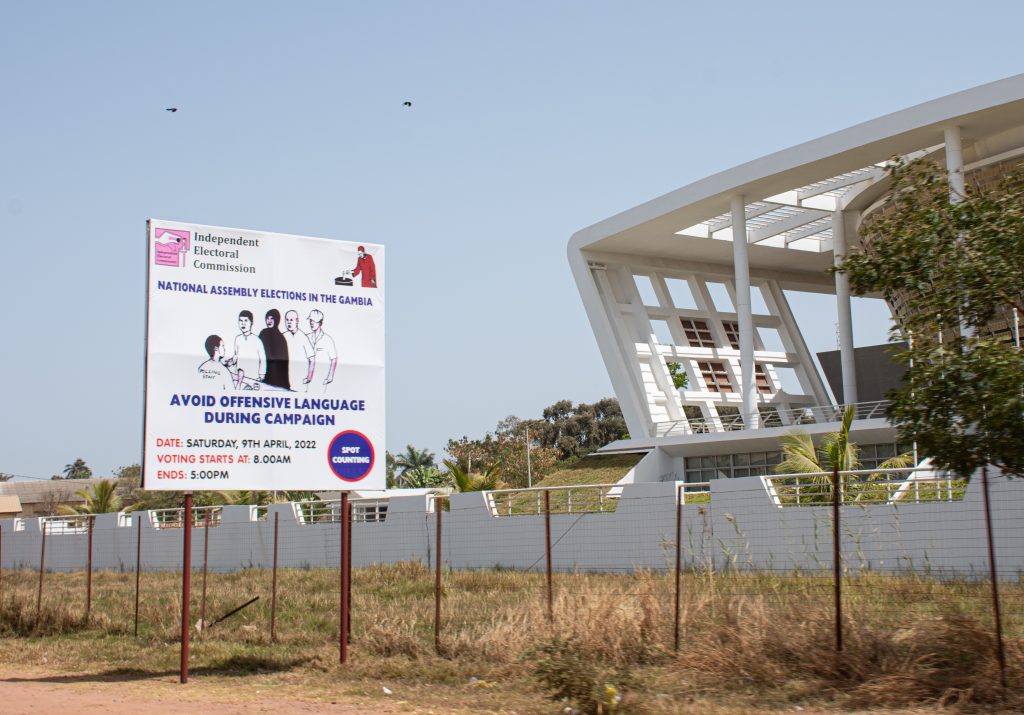
This unique way of voting was introduced as a result of the country’s independence, in 1965, by the English colonial authorities. Given the low literacy rate at that time, it was decided to introduce an easy way to vote, without complicated procedures. Since then, 57 years ago, this is how Gambians exercise their right to vote. Some were the voices that suggested a possible passage to the ballots, but for now voting continues in this unusual way. On April 9th, 2022, Gambians voted for their National Assembly representatives in an election clearly influenced by Ramadan, as not many people showed up to the polling stations.
The pictures you will see in this article have been mostly taken around Brufut area, nearby southern shore Serekunda, in the west part of the country.
That’s the story of one of the most peculiar elections that I have ever witnessed.
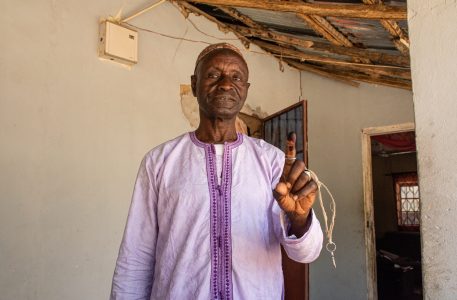
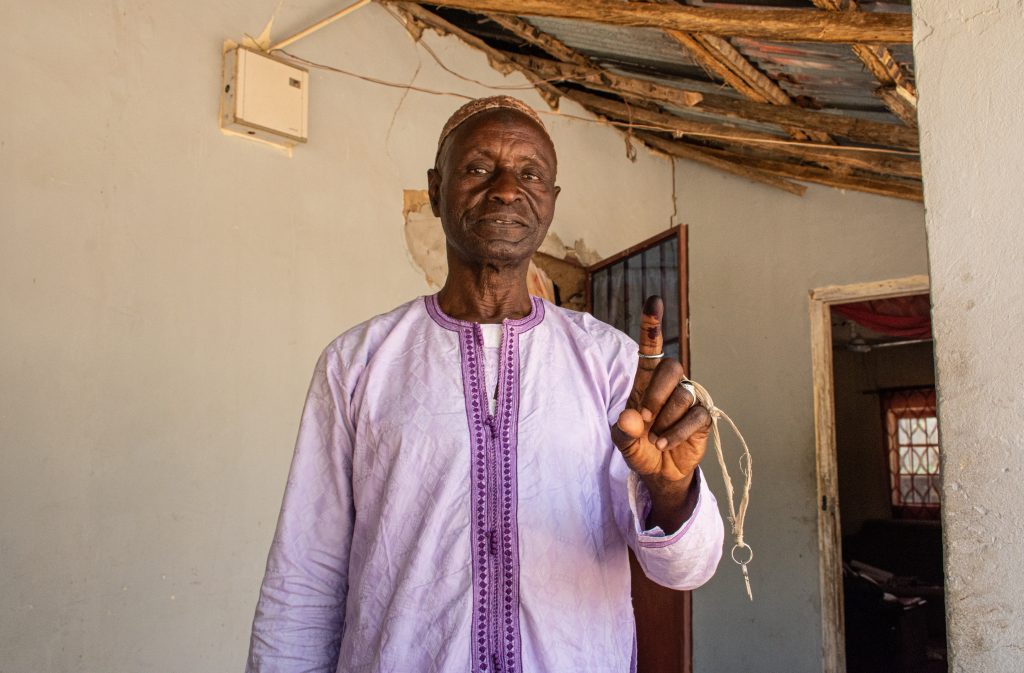
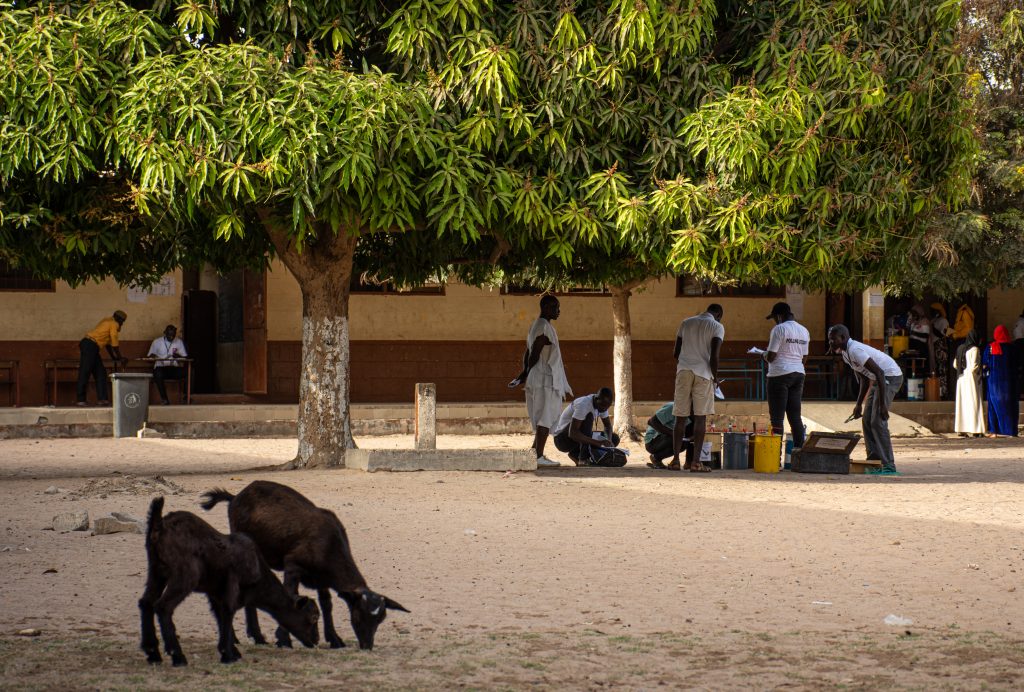
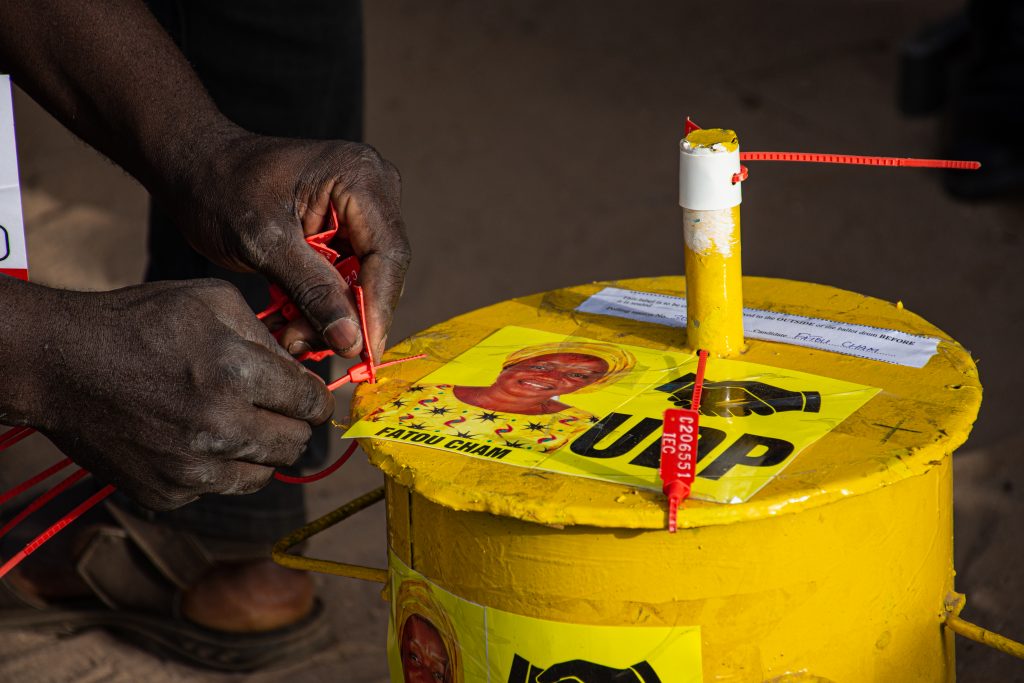
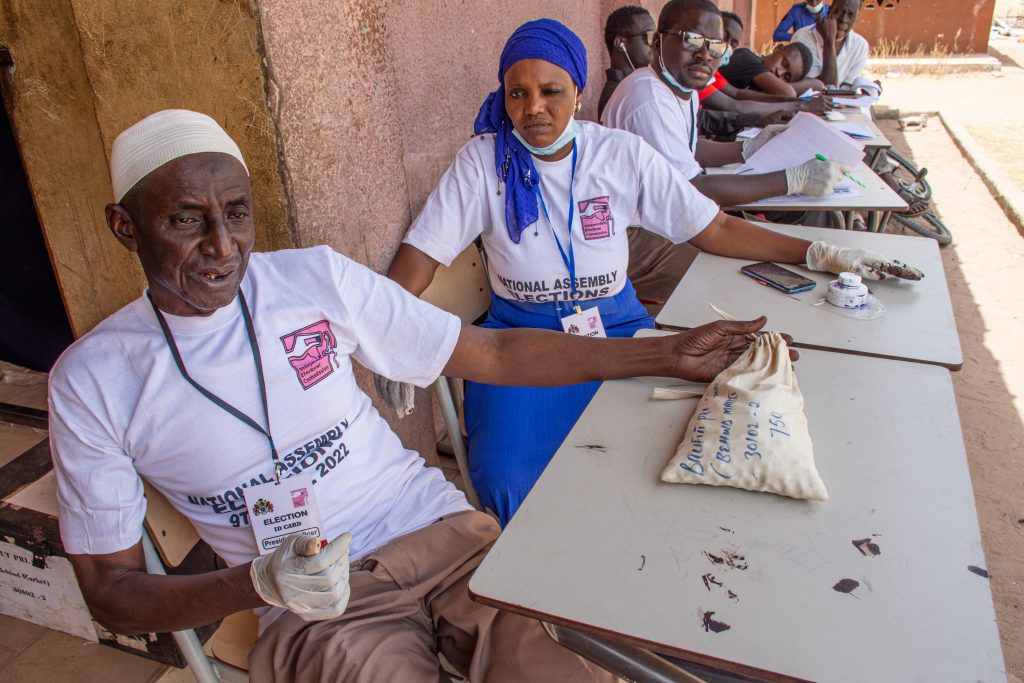
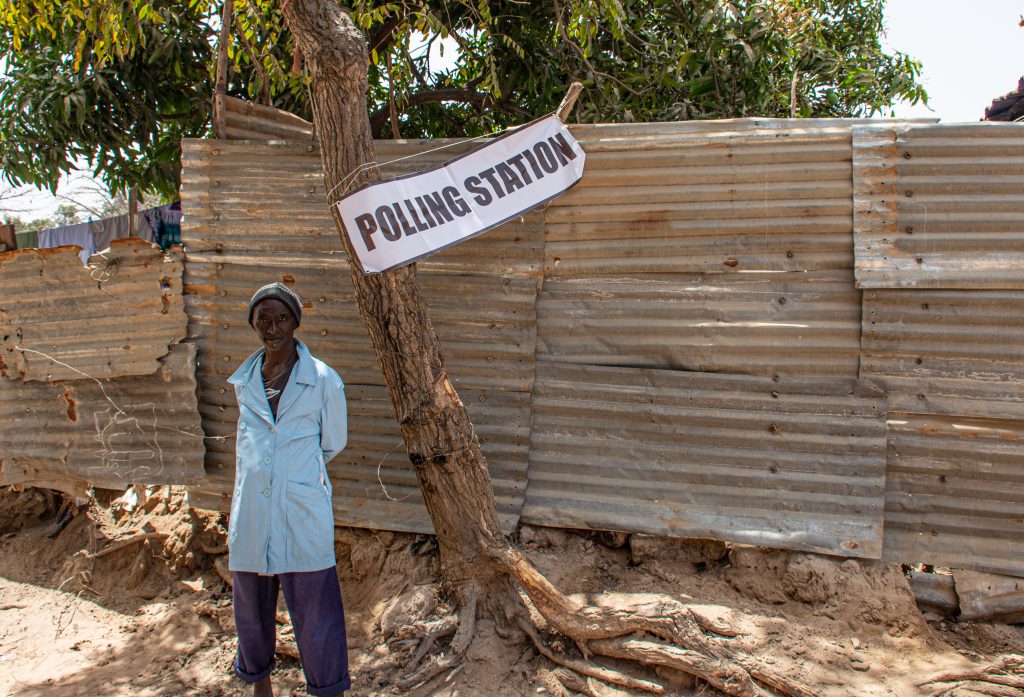
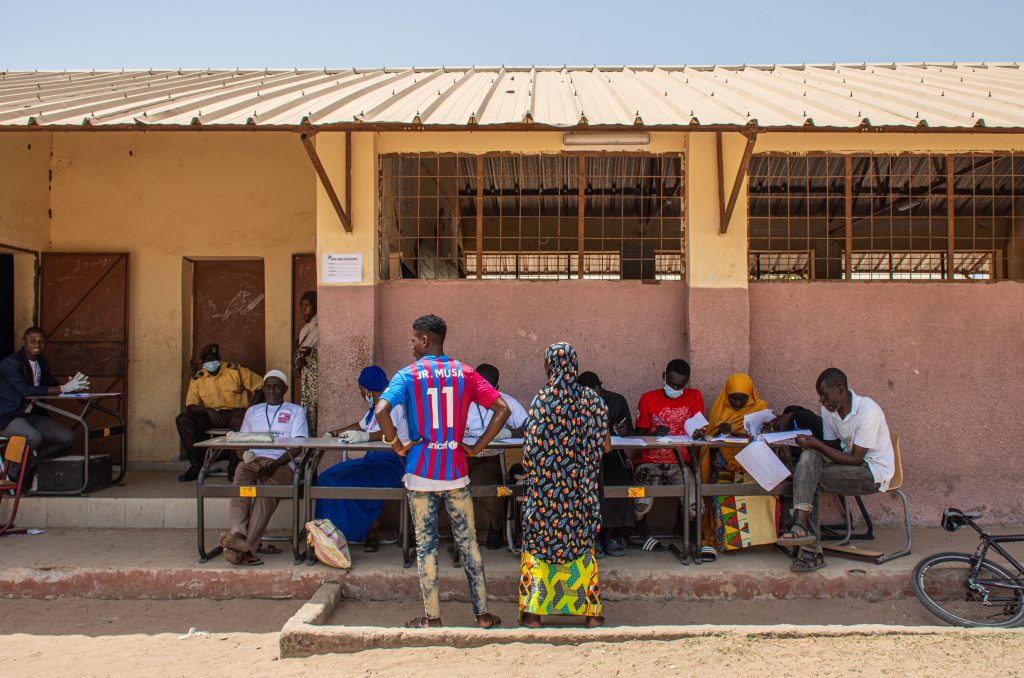
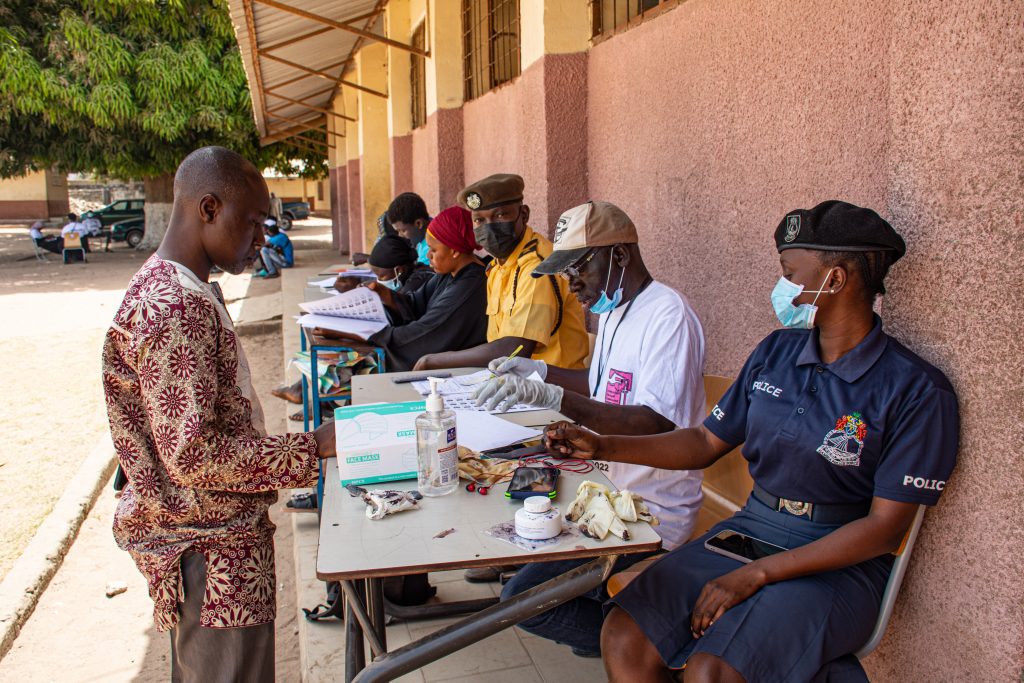
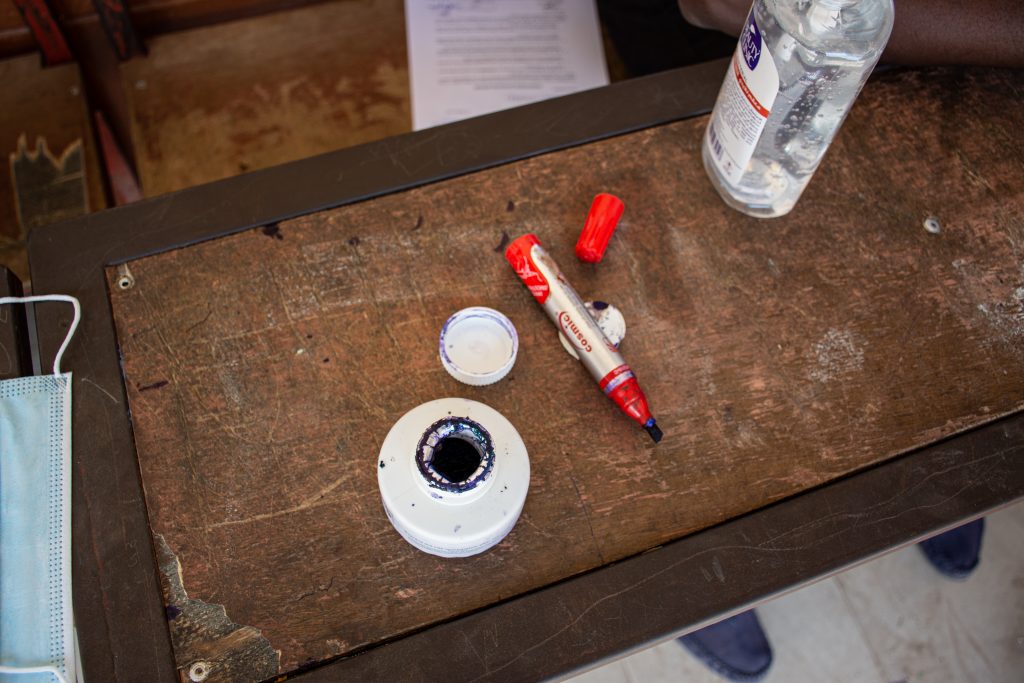
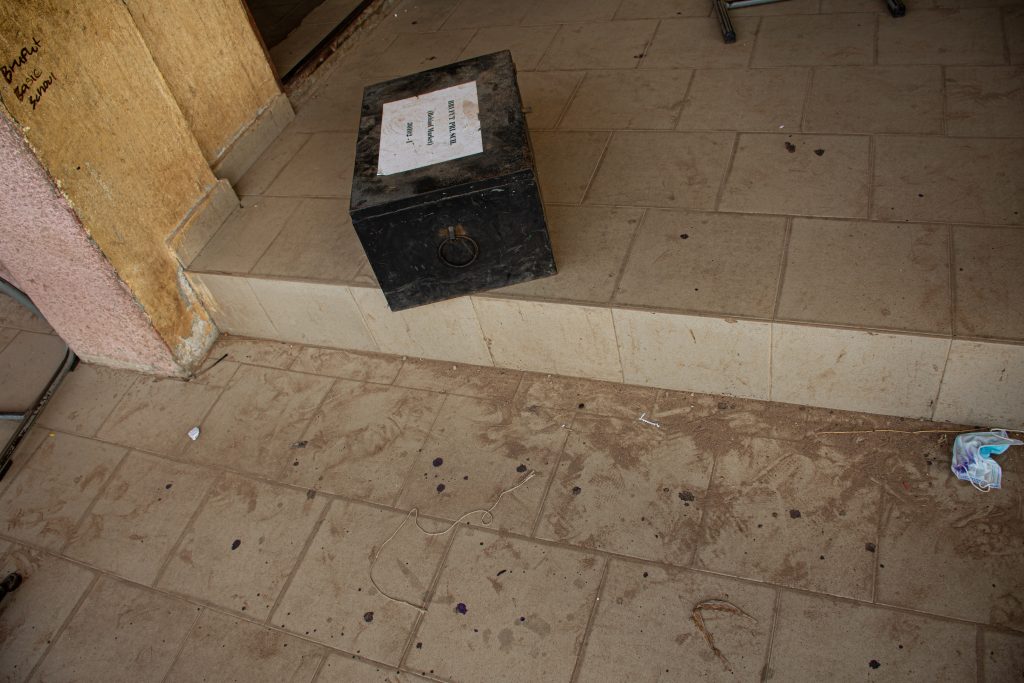
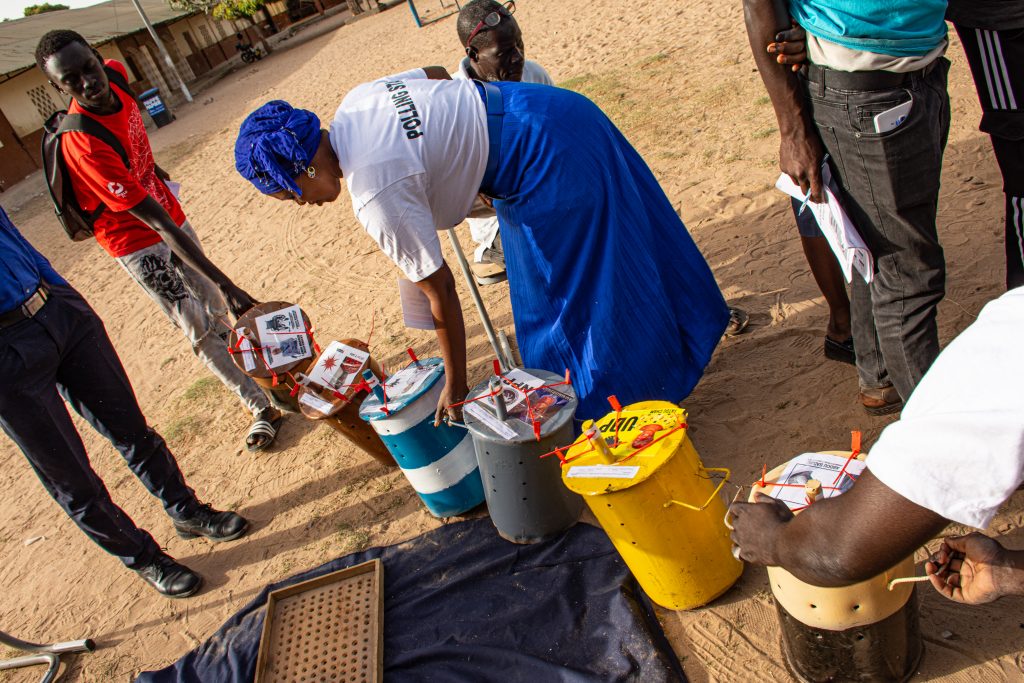
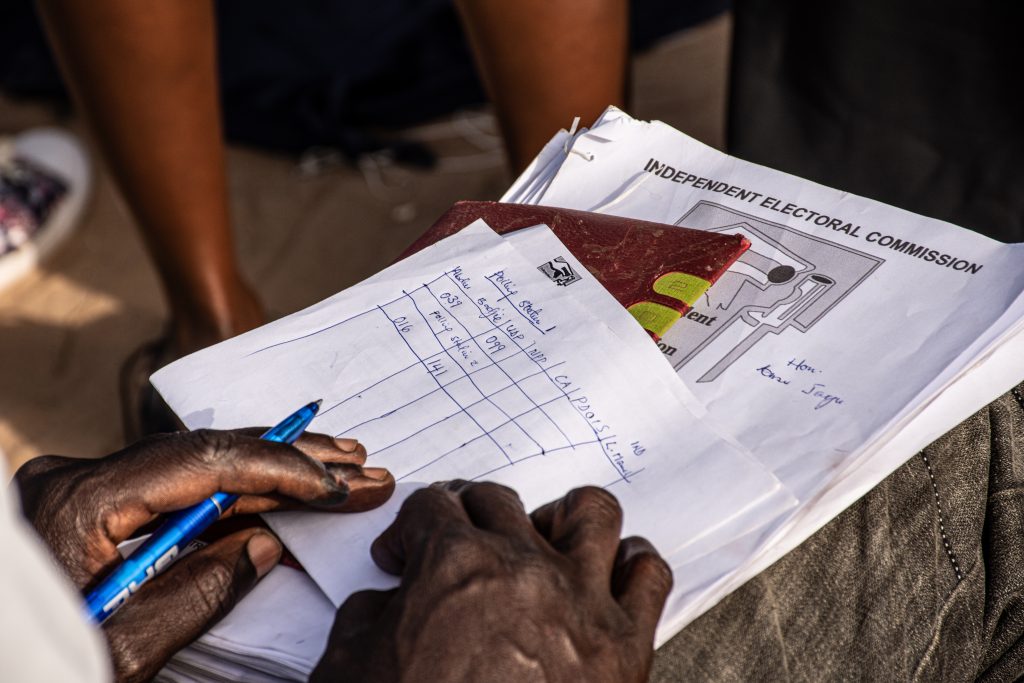
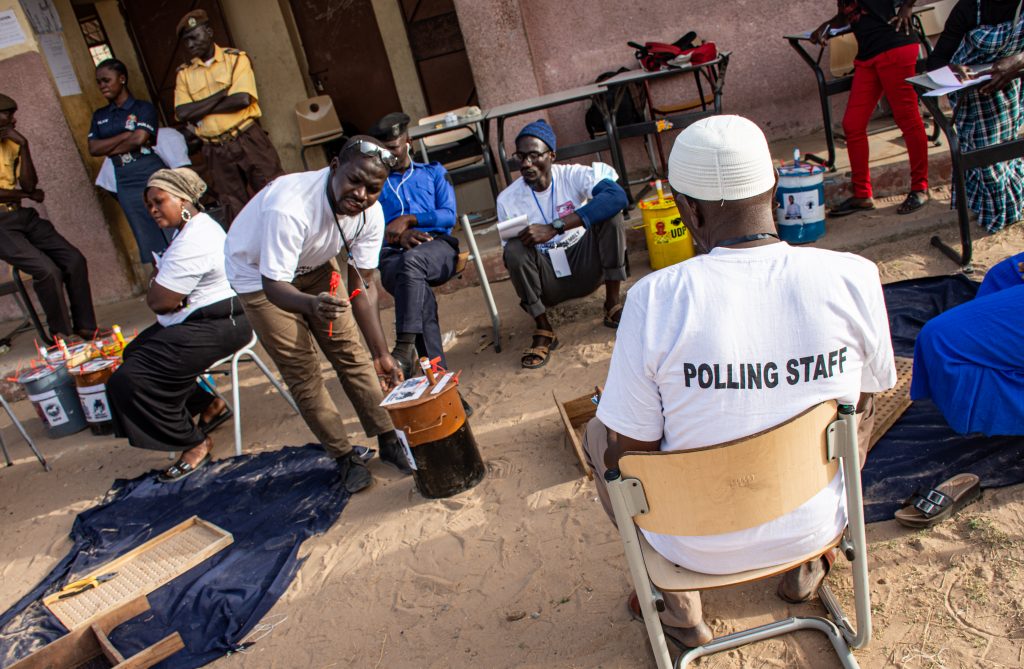
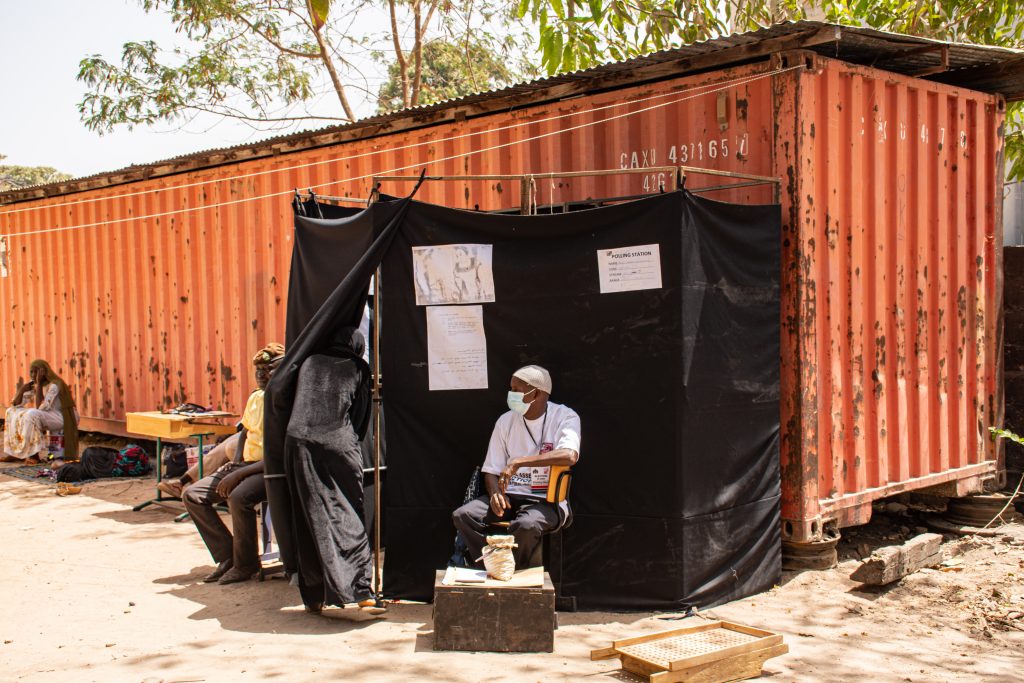
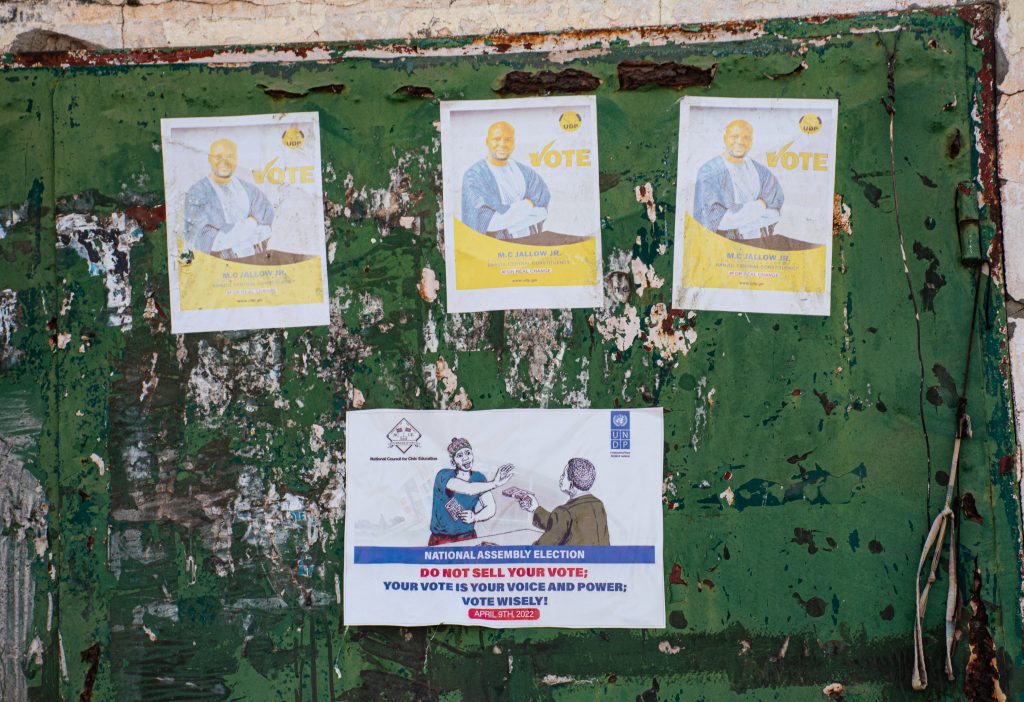
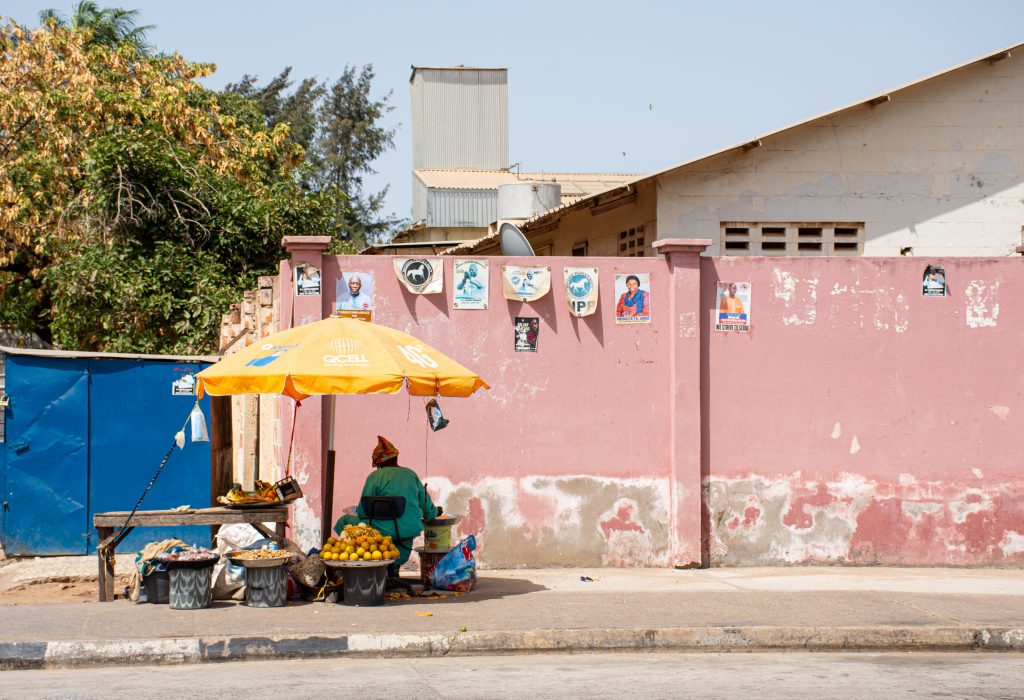
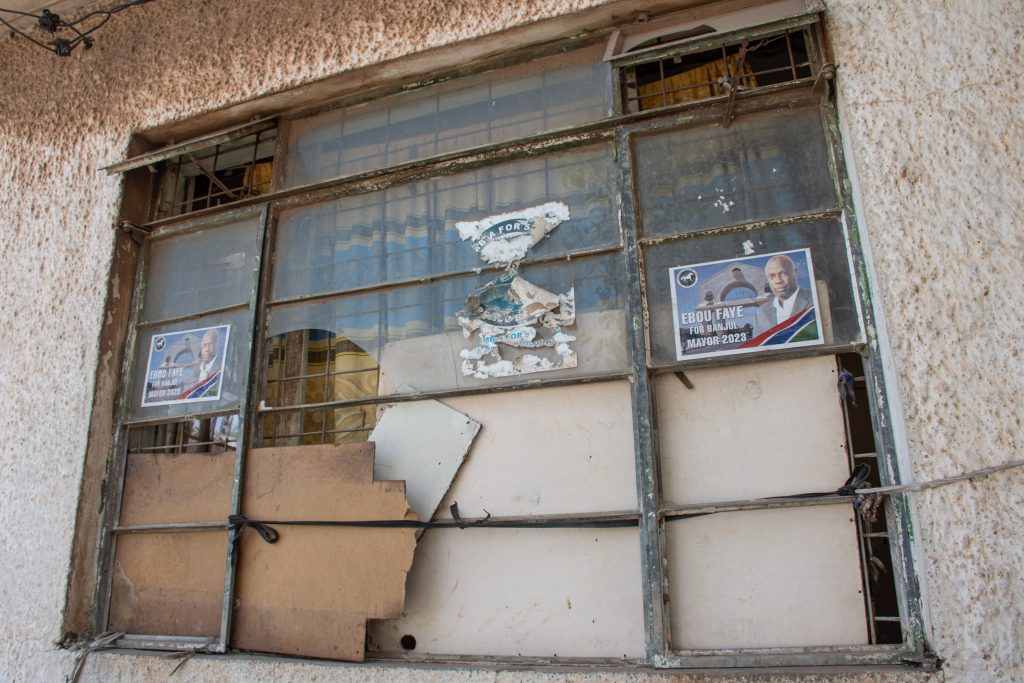
Lamin’s grandfather showing us its index finger after coming back from the polling station. (Dídac Medrano).Lamin, a 20 year old Gambian based in Brufut, shows his election ID before heading to the polling station. (Dídac Medrano).Two goats eat grass in a polling station while votes are being counted. (Dídac Medrano). IEC members sorting the marbles coming from one barrel in order to count the total amount of people that voted for that particular candidate. (Dídac Medrano).Yellow barrel with a picture of Fatou Cham, representative of the United Democratic Party in this elections. (Dídac Medrano).Members of the IEC of The Gambia waiting for the voters to arrive, so they can give them their marble and paint their finger with purple ink. (Dídac Medrano).Man standing in front of the polling station. Paper signs are the only way to identify the polling stations as there are no further indications. (Dídac Medrano).Voters arriving to the polling stations during the hottest part of the day. (Dídac Medrano).Voter showing his ID to the members of the polling station while masked policeman supervise the situation. (Dídac Medrano).Ink box containing purple ink awaits the voters on a polling station in Brufut. Every voter’s index finger is painted with ink. (Dídac Medrano).Rests of purple ink painting the floor of the polling station at the end of the election day. (Dídac Medrano). Members of the IEC bring the barrels outside so they can start the counting in the spot. (Dídac Medrano).One of the barrels being opened while marbles are being thrown into some sort of stainer, in order to separate them from the sand that fills the barrels. (Dídac Medrano).Member of the IEC counting the votes while the barrels are being opened one by one. (Dídac Medrano).UN sponsored signs are distributed around the country to warn people about election rigging and election manners ahead of the National Assembly elections. (Dídac Medrano).Members of the IEC sorting the marbles on the spot. (Dídac Medrano).The president of the electoral college shows the serial numbers of the barrels to check that they are closed with the proper ones. (Dídac Medrano). Woman entering inside the polling station where she can vote privately. (Dídac Medrano).Banner against vote-selling in the streets of Banjul, The Gambia. (Dídac Medrano).Propaganda from the Presidential election in 2021 gets mixed with the propaganda from the National Assembly elections of 2022. (Dídac Medrano)Political propaganda ahead of the local elections in Banjul taking place the next year. (Dídac Medrano).Polling station inside of a local mosque near Brikama. The election day took place during the holy month of Ramadan. (Dídac Medrano).
Usamos cookies en nuestro sitio web para brindarle la experiencia más relevante recordando sus preferencias y visitas repetidas. Al hacer clic en "Aceptar todo", acepta el uso de TODAS las cookies. Sin embargo, puede visitar "Configuración de cookies" para proporcionar un consentimiento controlado.
This website uses cookies to improve your experience while you navigate through the website. Out of these, the cookies that are categorized as necessary are stored on your browser as they are essential for the working of basic functionalities of the website. We also use third-party cookies that help us analyze and understand how you use this website. These cookies will be stored in your browser only with your consent. You also have the option to opt-out of these cookies. But opting out of some of these cookies may affect your browsing experience.
Necessary cookies are absolutely essential for the website to function properly. These cookies ensure basic functionalities and security features of the website, anonymously.
Cookie
Duración
Descripción
cookielawinfo-checkbox-analytics
11 months
This cookie is set by GDPR Cookie Consent plugin. The cookie is used to store the user consent for the cookies in the category "Analytics".
cookielawinfo-checkbox-functional
11 months
The cookie is set by GDPR cookie consent to record the user consent for the cookies in the category "Functional".
cookielawinfo-checkbox-necessary
11 months
This cookie is set by GDPR Cookie Consent plugin. The cookies is used to store the user consent for the cookies in the category "Necessary".
cookielawinfo-checkbox-others
11 months
This cookie is set by GDPR Cookie Consent plugin. The cookie is used to store the user consent for the cookies in the category "Other.
cookielawinfo-checkbox-performance
11 months
This cookie is set by GDPR Cookie Consent plugin. The cookie is used to store the user consent for the cookies in the category "Performance".
viewed_cookie_policy
11 months
The cookie is set by the GDPR Cookie Consent plugin and is used to store whether or not user has consented to the use of cookies. It does not store any personal data.
Functional cookies help to perform certain functionalities like sharing the content of the website on social media platforms, collect feedbacks, and other third-party features.
Performance cookies are used to understand and analyze the key performance indexes of the website which helps in delivering a better user experience for the visitors.
Analytical cookies are used to understand how visitors interact with the website. These cookies help provide information on metrics the number of visitors, bounce rate, traffic source, etc.
Advertisement cookies are used to provide visitors with relevant ads and marketing campaigns. These cookies track visitors across websites and collect information to provide customized ads.


Deja una respuesta