The city of Mosul used to be one of the most important commercial hubs in Iraq, as it lies in the crossroads between Baghdad and Turkey. What once was a growing city full of life and a vivid atmosphere is nowadays a partly annihilated town that still struggles to be rebuilt. Many of the citizens left and the ones remaining ask ironically to the foreign visitor if they can come along to Europe. Mosul was part of the Islamic State of Iraq and Levant from 2014 to 2017, an occupation that made the city look like its medieval self, many centuries ago. Women were not allowed to exit their homes if not accompanied by a man, public executions were carried out as people were hanged from the traffic lights and smoking was strictly banned (one cigarette could cost up to 50.000 IQD -30 euros-).
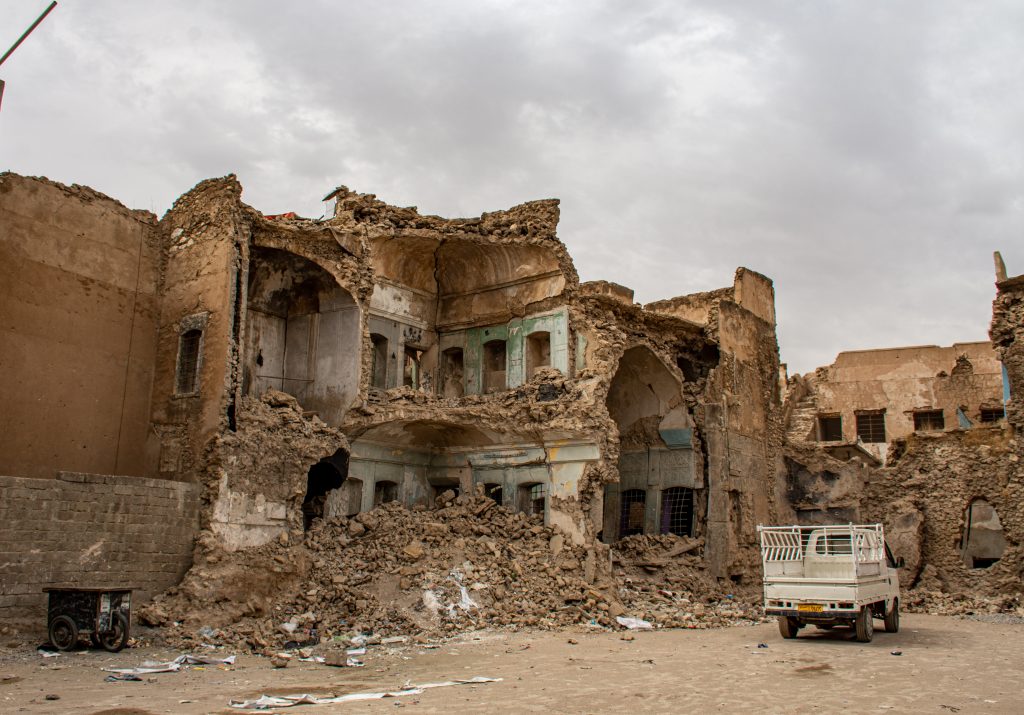
On October 2021 I was able to visit the city alongside various native people from Mosul, who explained me about life during ISIS’s rule in the city. Many of them look like ordinary people trying to keep up with their lives, despite having their own city in ruins and having experienced such traumatic experiences. Mosul is yet to be rebuilt as there is no funding from a state fully affected by sectarianism and the growing political influence of pro-Iranian militias. The predictions for Mosul are no optimist at all, as four years have passed and the city has not really experienced a big change. The eastern part of the city was not really much destroyed, but the western part is still full of houses about to fall, fully burned and rusted car remains, explosive devices yet to be cleaned and even dead bodies under the big amounts of rubble still waiting to be buried properly.
This is how Mosul feels like four years after ISIS.
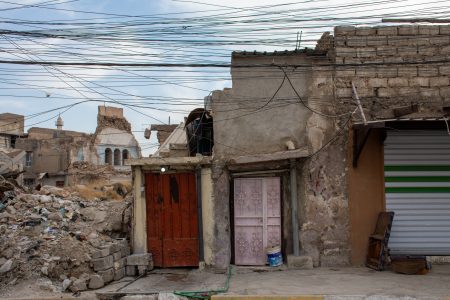
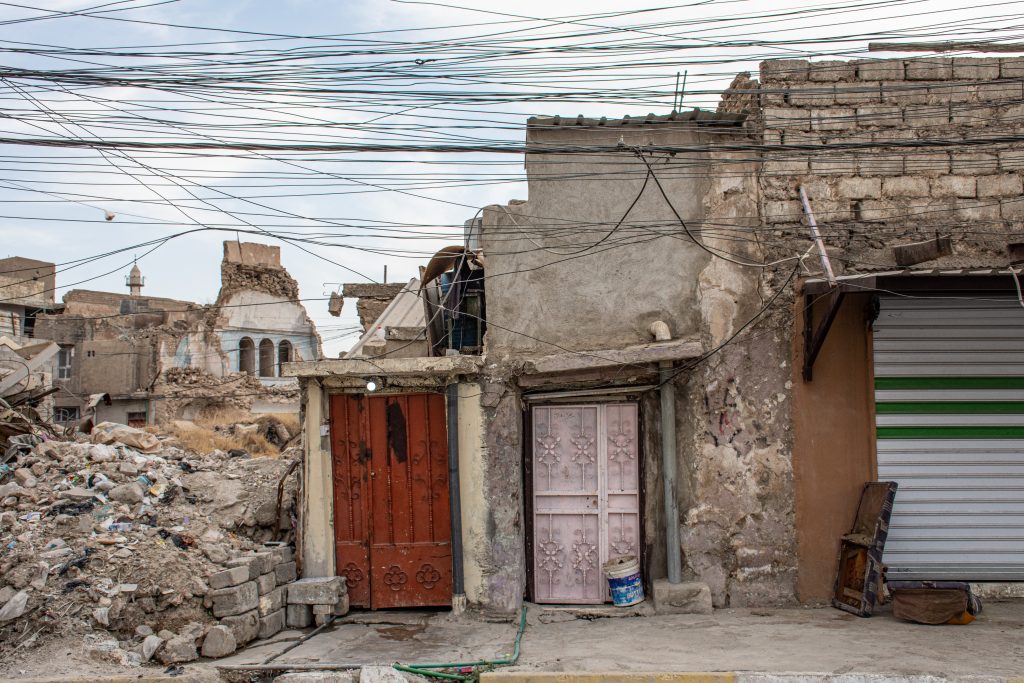
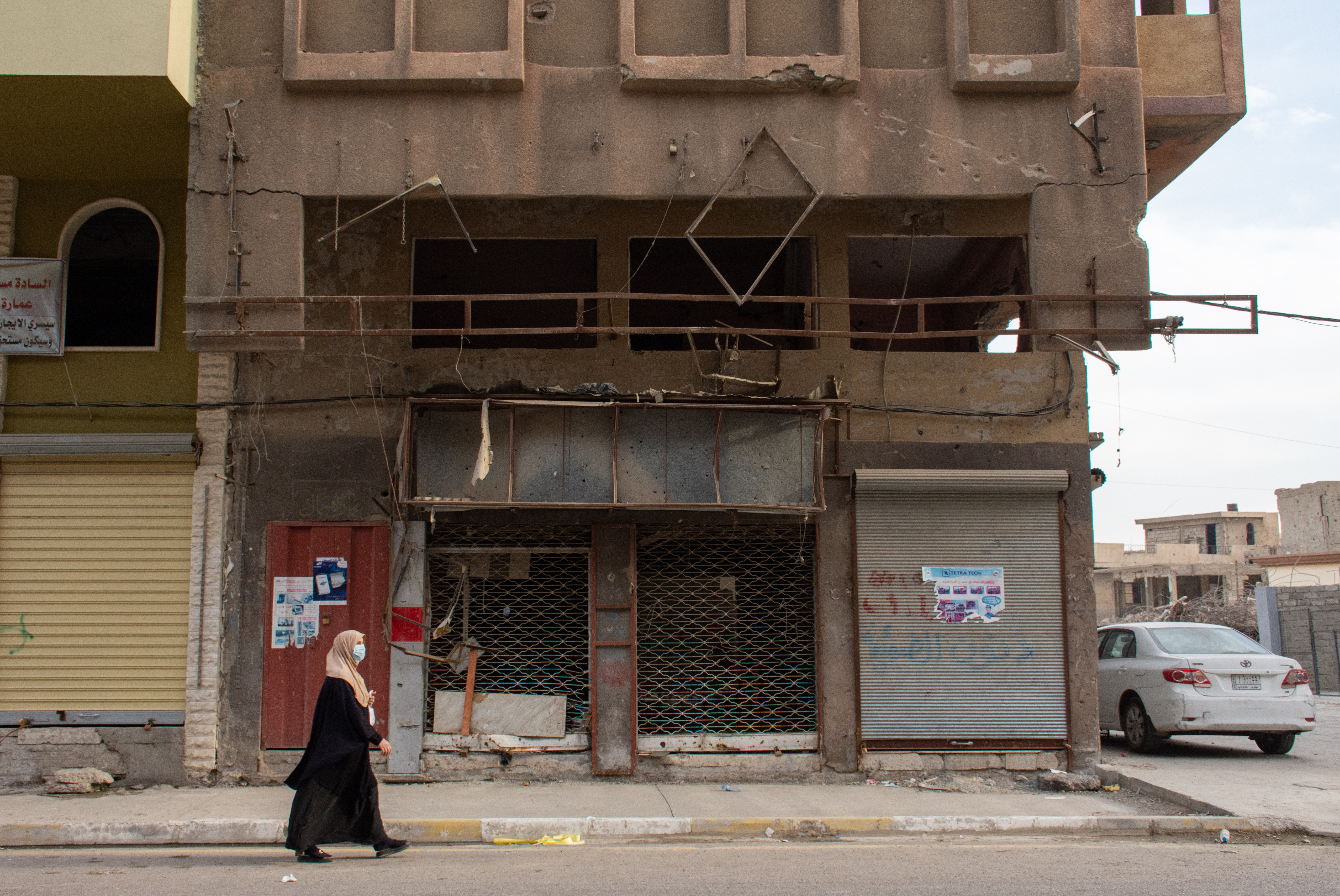
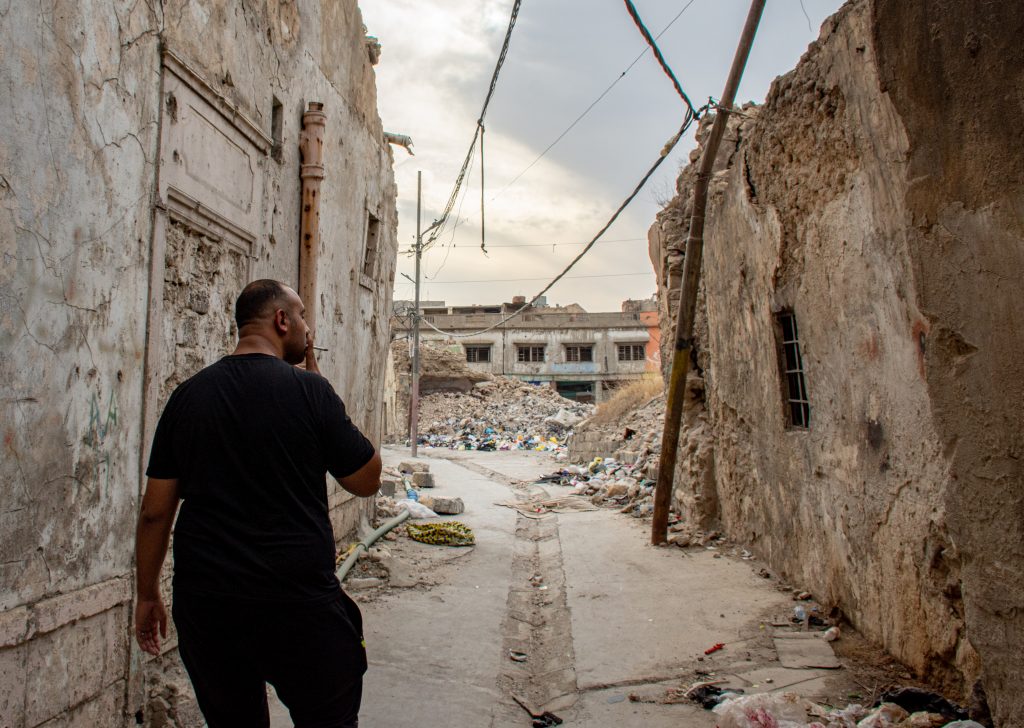
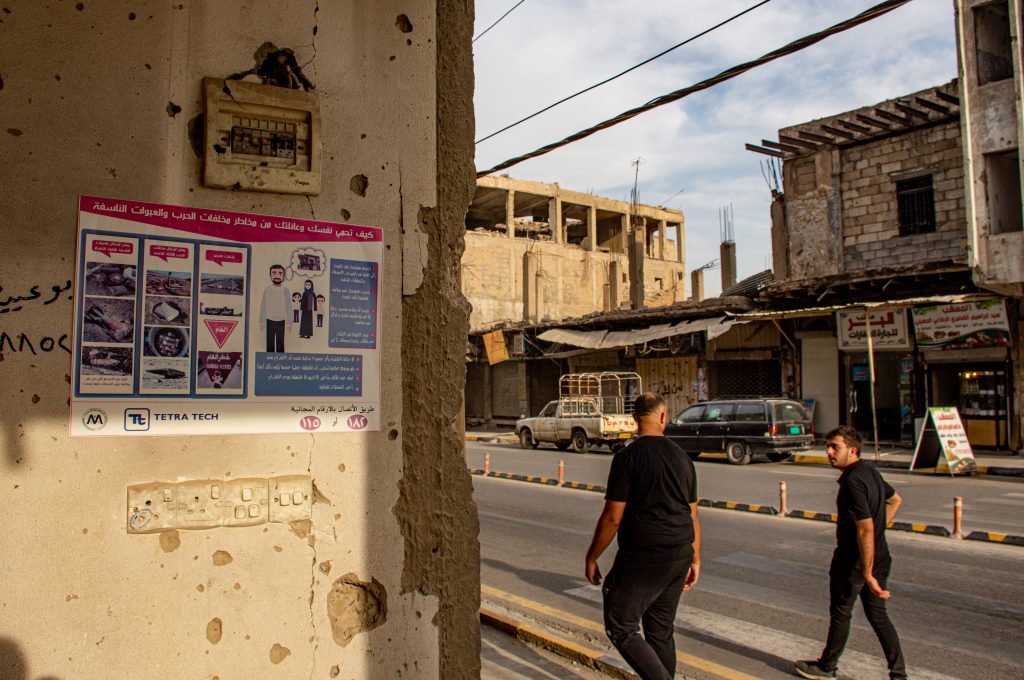
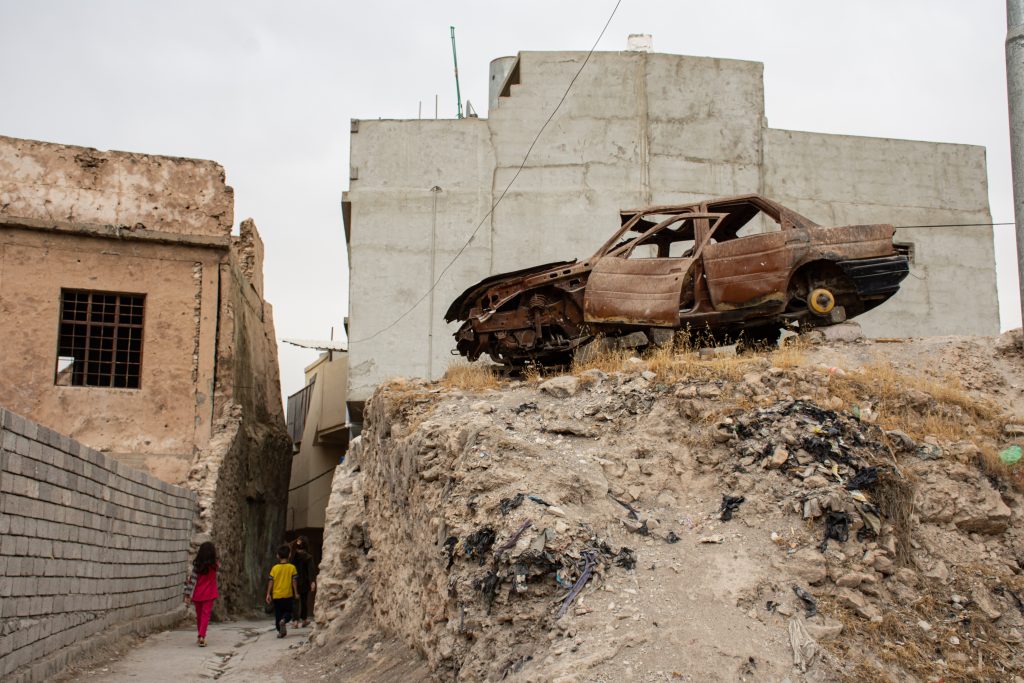
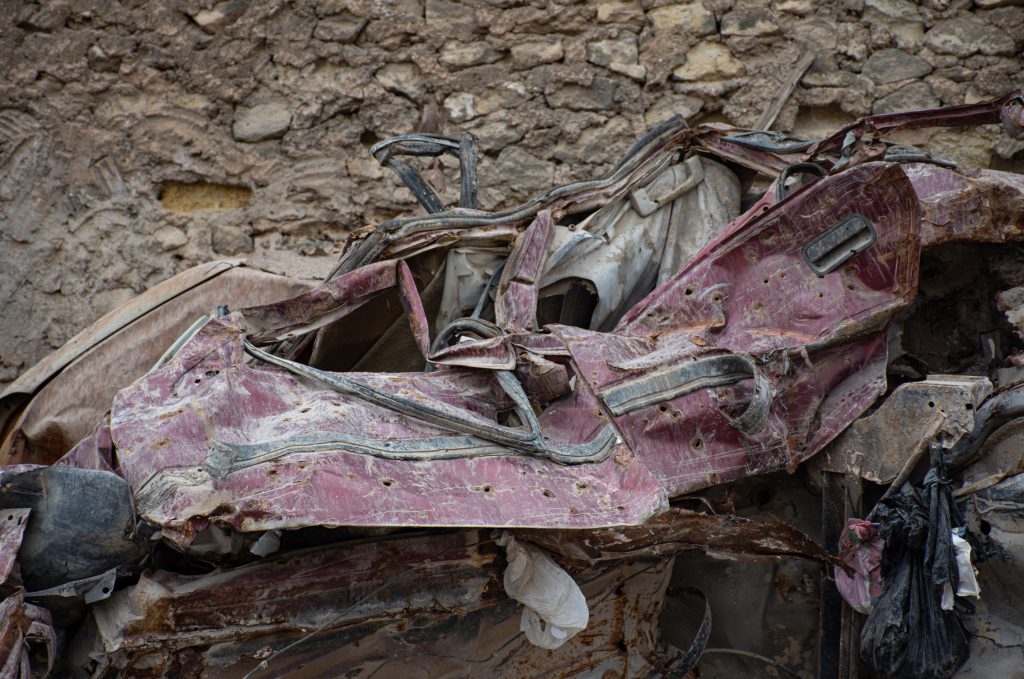
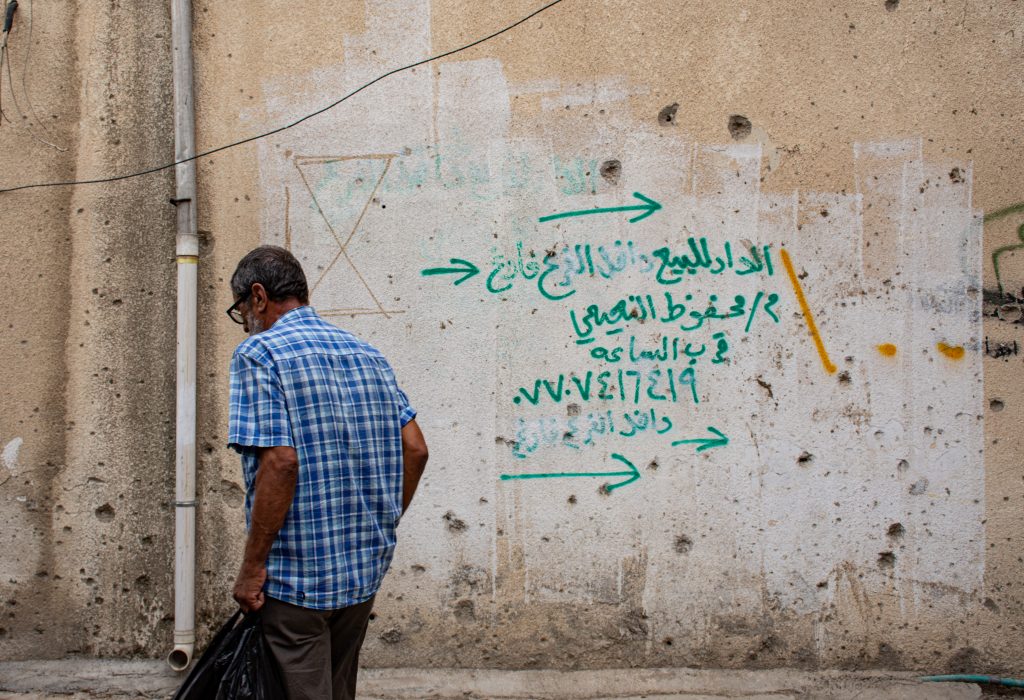
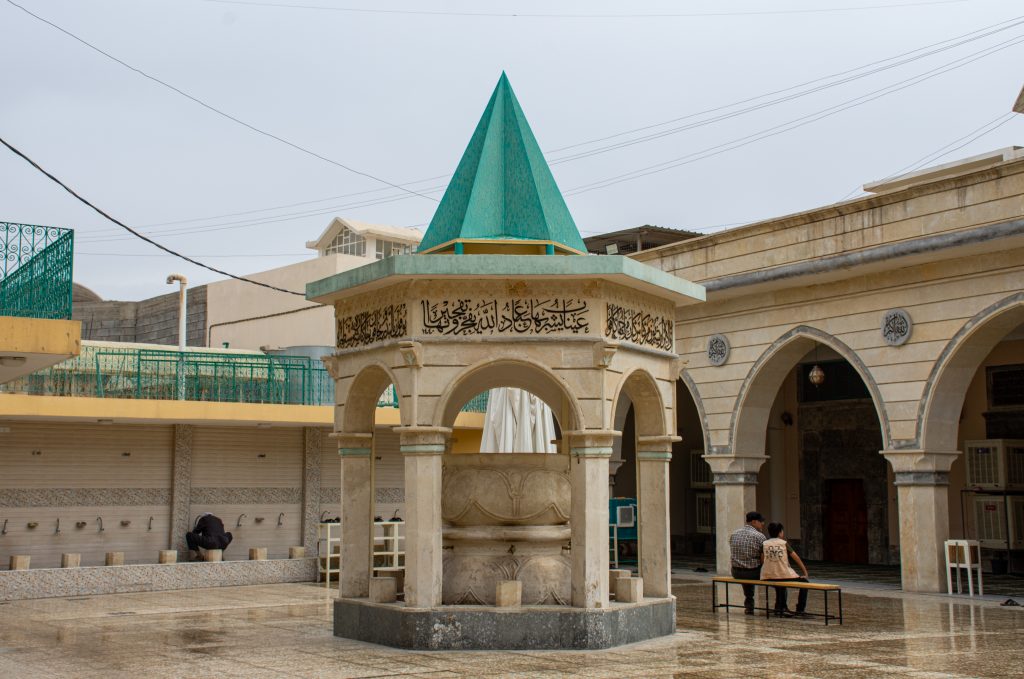
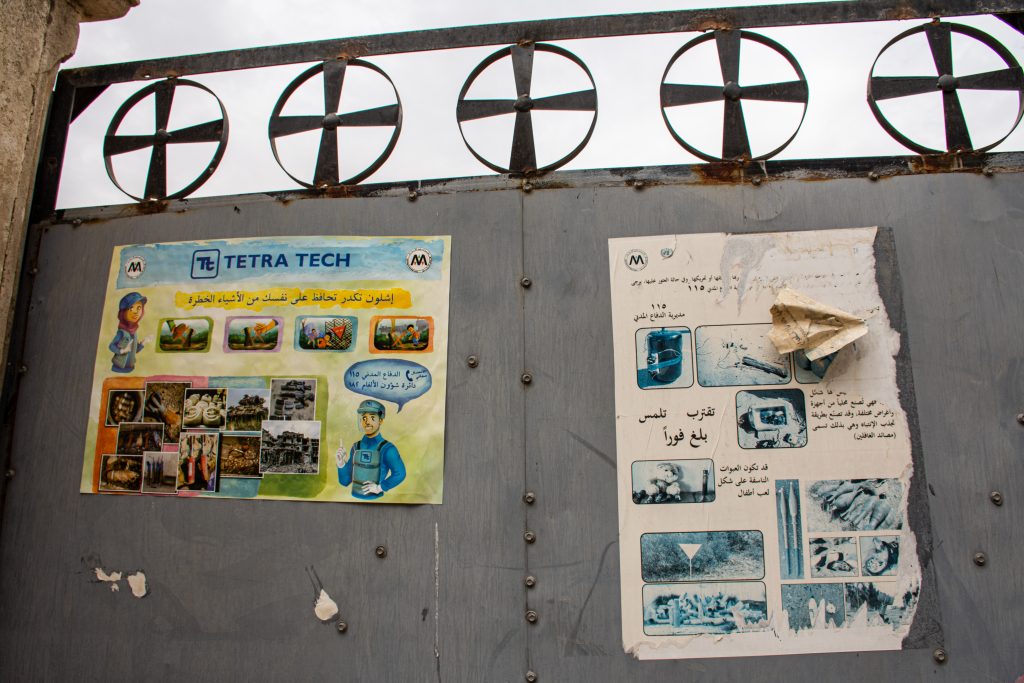
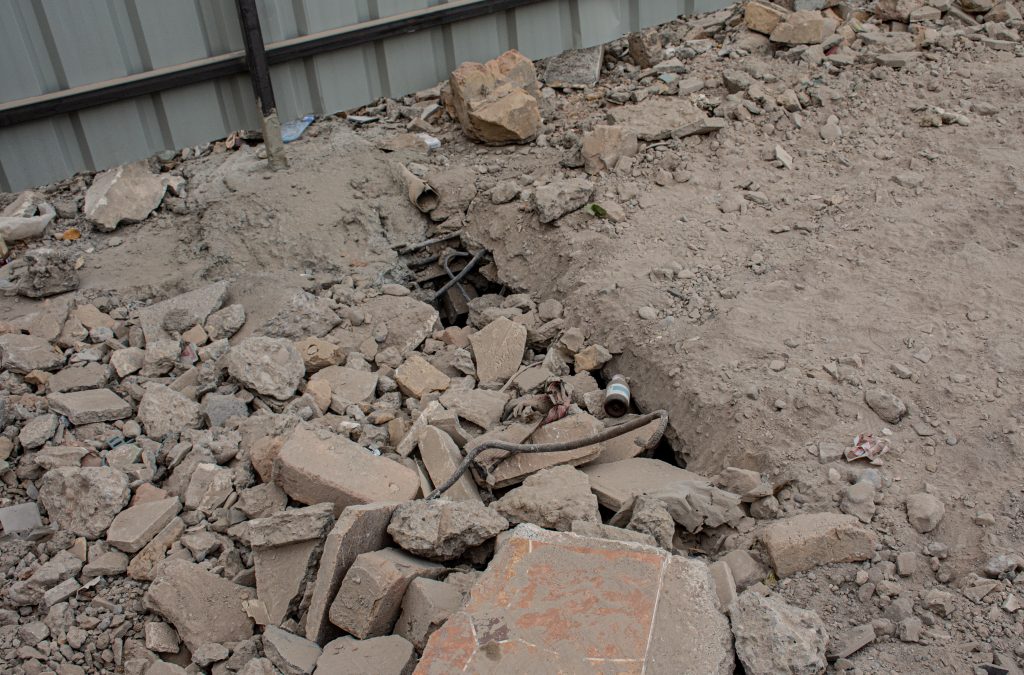
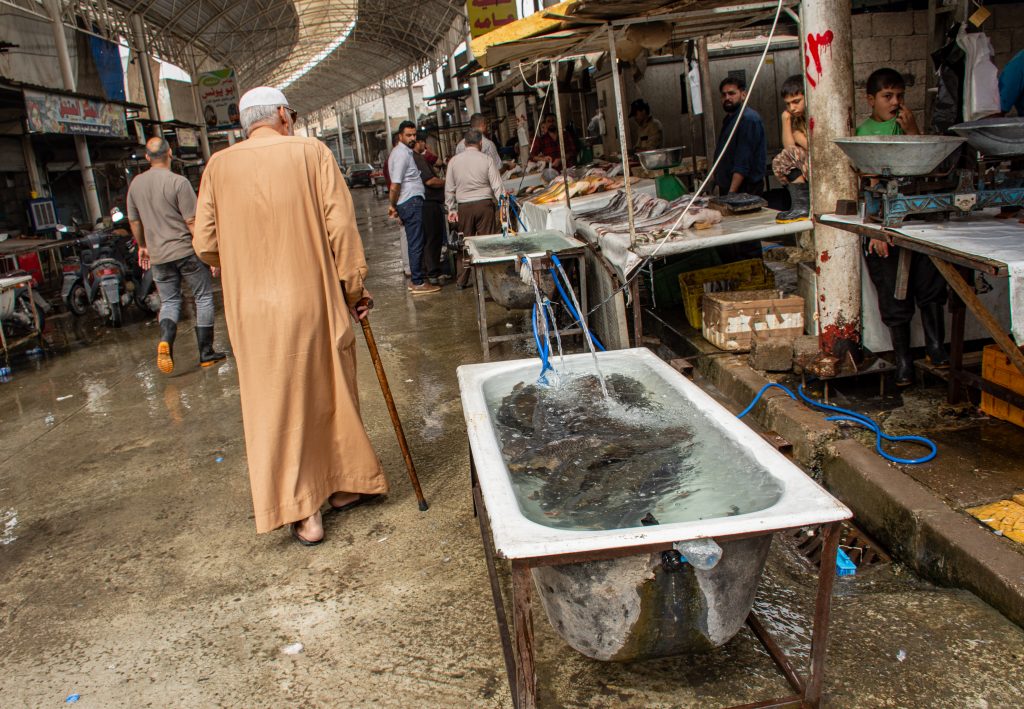
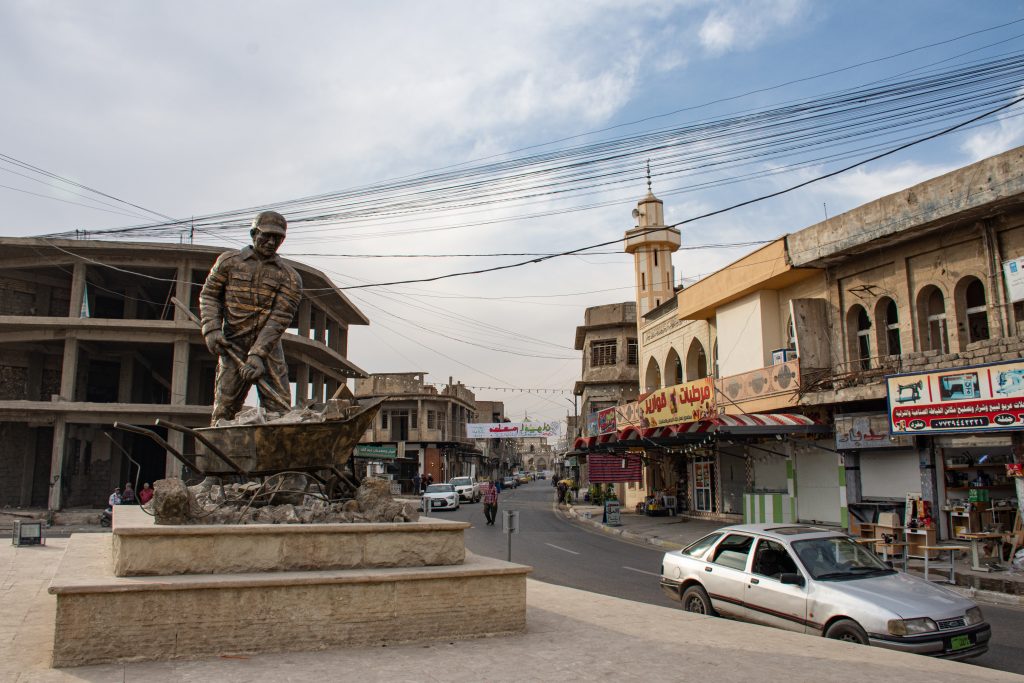
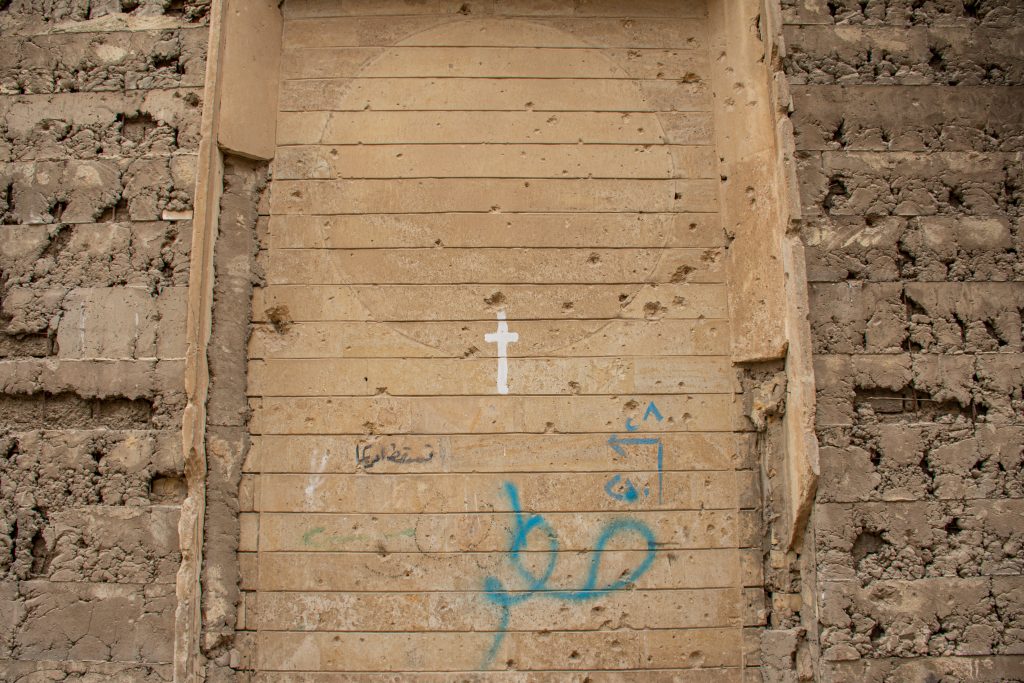
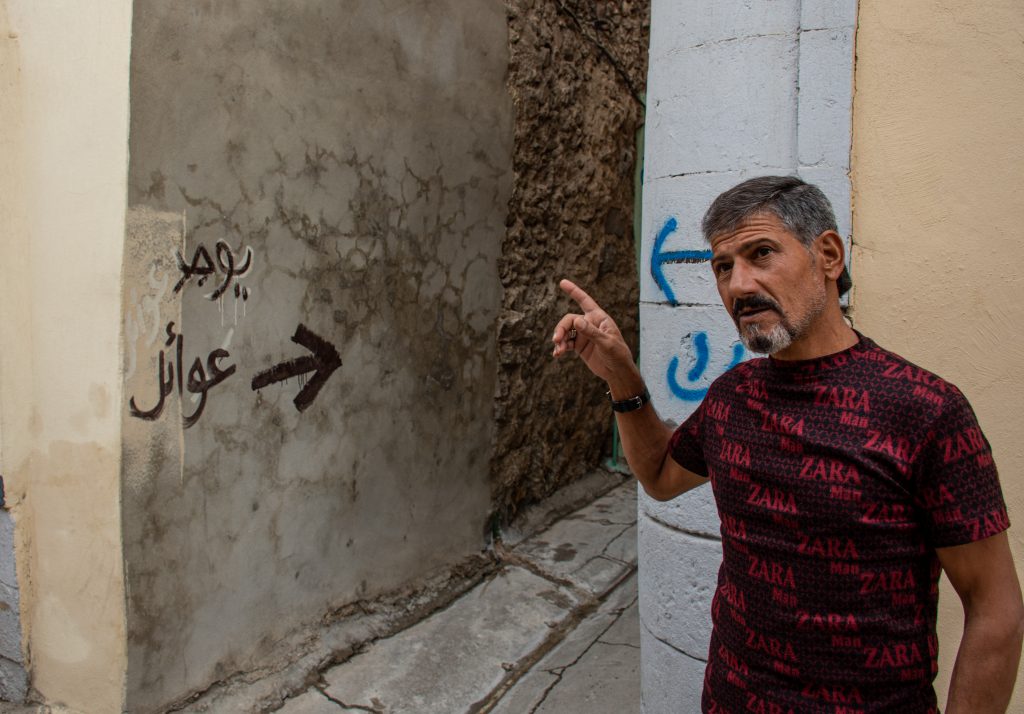
One of the partly destroyed churches in Mosul’s Old Town. Many christians had to flee the city due to the extremists’ policy against them. (Dídac Medrano).Partly destroyed house in the Old Town of Mosul, surrounded by huge amounts of garbage. (Dídac Medrano).Barely standing doors with practically no houses behind next to Al-Nouri mosque in Mosul, Iraq. In 2014, meters away from this spot, Abu Bakr al-Baghdadi declared the Islamic State of Iraq and Levant. (Dídac Medrano).An Iraqi woman walks past a damaged building in the outskirts of Mosul’s Old Town. (Dídac Medrano).Abbas, an Iraqi man with Mosulian family who lives in Ankara (Turkey), walks next to the remnants of damaged houses in Mosul’s Old Town. (Dídac Medrano).Abbas and Ibrahim, his cousin, pass by a sign alerting local people about non-exploded artifacts still remaining inside the damaged buildings. Ibrahim was living in Mosul during the islamist occupation, from 2014 to 2017. (Dídac Medrano).Kids walk next to a small hill with a destroyed and rusted car lying on top of it. (Dídac Medrano).The sign of a women’s beauty salon vandalized by islamists during their occupation of the city. Women were not allowed to leave the house by themselves during the ISIS government, and even less to show their hair on public spaces. (Dídac Medrano).Annihilated car covered with bullet holes on its barely recognizable doors still in the middle of the Old Town. Four years have passed since the Battle of Mosul and still many damaged cars are waiting to be removed from the streets. (Dídac Medrano).An old Mosulian walks by a wall fully covered by bullet holes in Old Mosul. (Dídac Medrano).A former dentist’ chair seen from a broken window in the west part of the city of Mosul. Thousands of buildings have been damaged and still wait to be rebuilt, as there is not enough international or national funding to do so. (Dídac Medrano).El Basha mosque, in the middle of Mosul’s market is frequented daily by many Sunni muslims, as in the region of Nineveh the majority are followers of this branch of Islam. (Dídac Medrano).A woman covered in her abaya sits next to the damaged Al-Ughwat mosque, next to Tigris river. (Dídac Medrano). Completely destroyed house in the very middle of Mosul’s Old Town. (Dídac Medrano).Signs widely seen across the city teach people how to behave when encountering unexploded ammunition and to refrain from entering destroyed buildings (Dídac Medrano).Big hole covered by rocks in Mosul’s Old Town. This holes were former hideaways for ISIS soldiers during the Battle of Mosul, as they held to their positions with resilience. (Dídac Medrano). The tower of a church lies in the middle of the destruction, fully covered by bullet holes and waiting for fundings. The big majority of the christian population has yet to return, something that is not likely to happen in the next years despite Pope Francis’s visit a few months ago. (Dídac Medrano).Ibrahim walks around Mosul’s biggest market, the most active place in the city. (Dídac Medrano).Old man walking next to a water tank with fish overpopulation in Mosul’s market. (Dídac Medrano).Monument dedicated to those who are giving its best to the long-time reconstruction of the city. (Dídac Medrano).An old Mosulian offers to show us around the Old Town, as he was living there during the ISIS occupation of the city. (Dídac Medrano).Butchery in Mosul’s market. Lamb and veal are the top meat products in the muslim world, as pork is considered haram (prohibited by religion). (Dídac Medrano).People gathering around one of the many fish stands in Mosul’s market. Masgouf is one of the most famous dishes in Iraqi cuisine, mostly eaten on Friday and extracted either from Tigris or Euphrates rivers, as Iraq has only a tiny part of access to the Persian Gulf. (Dídac Medrano).
A child walking around Mosul’s Old Town. (Dídac Medrano).
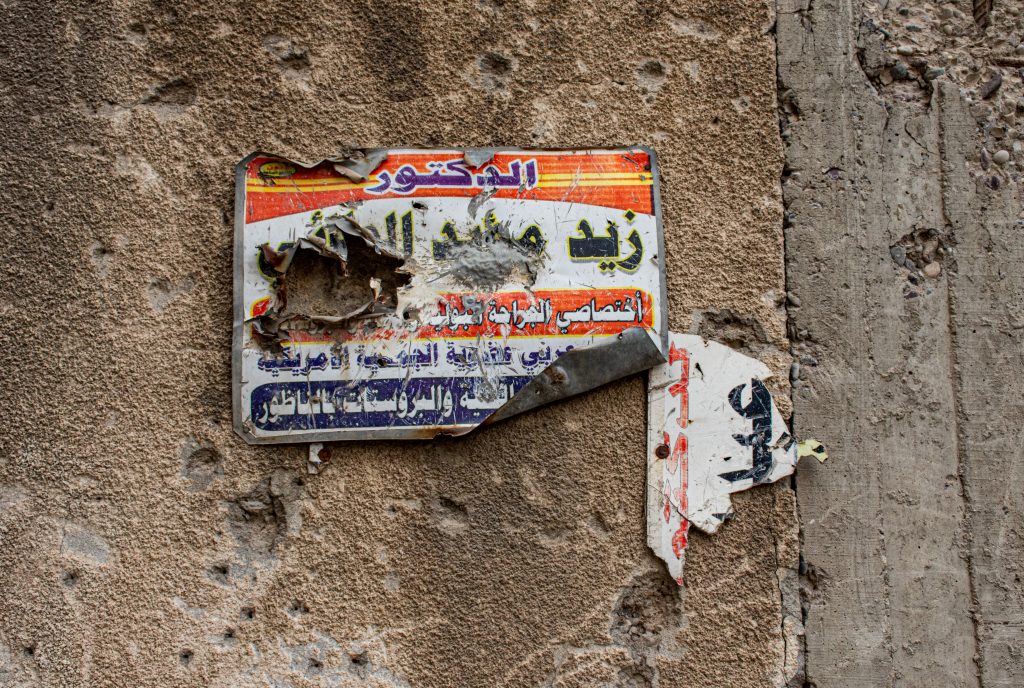
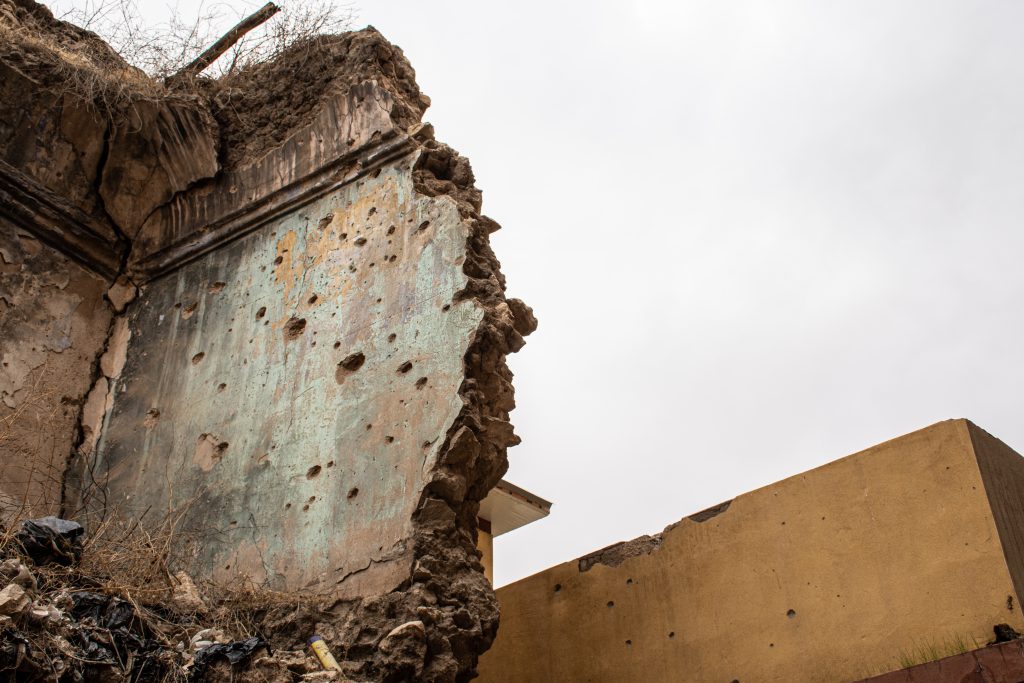
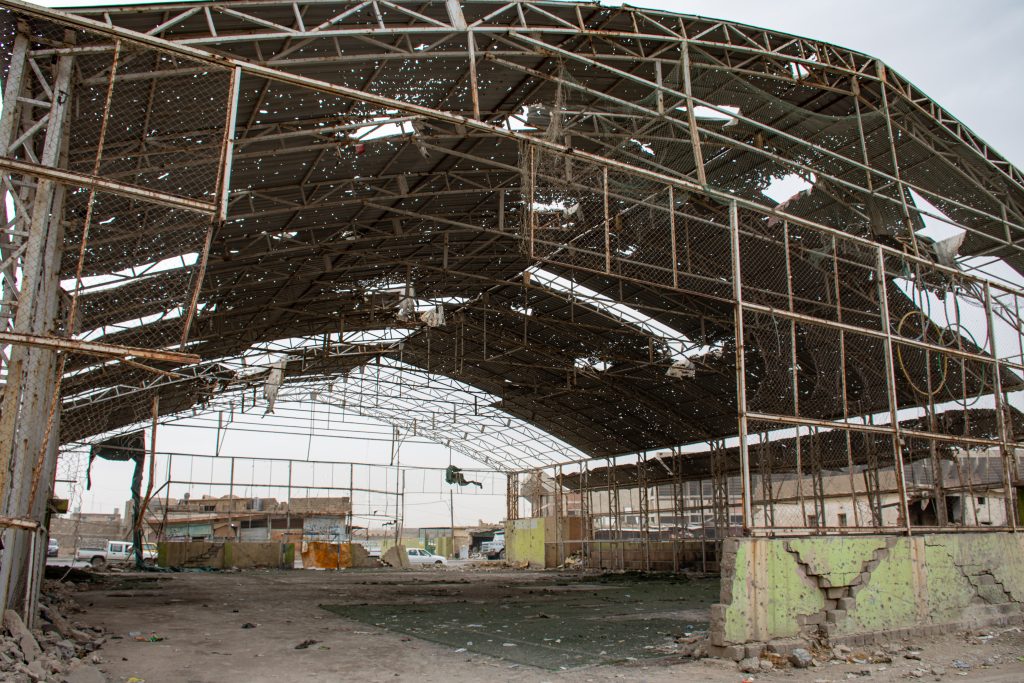
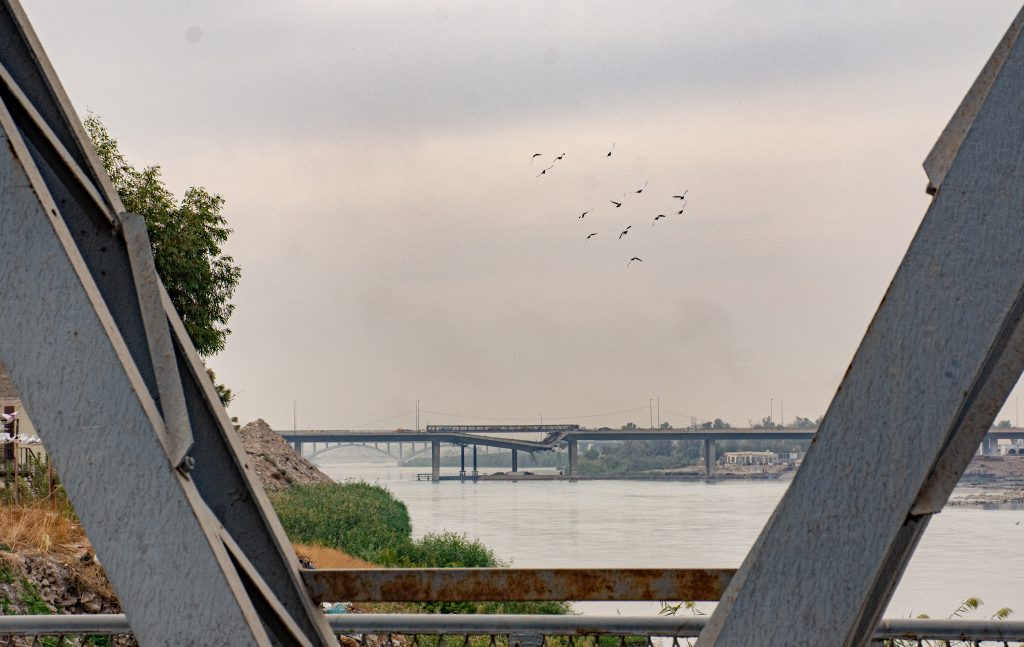
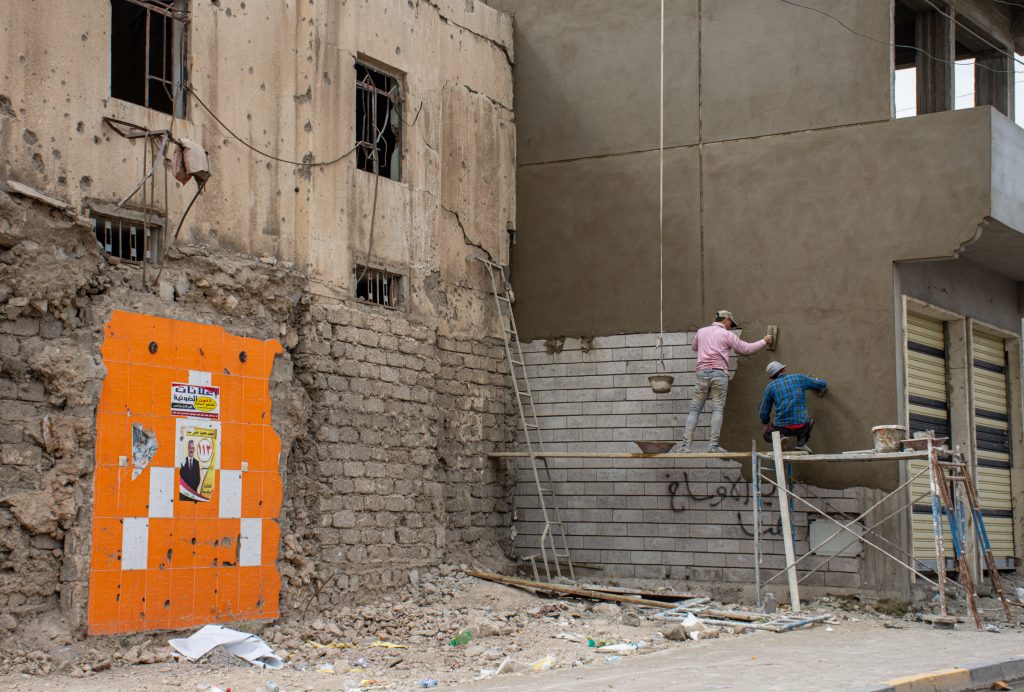
The wall of one of the many damaged churches still to be reconstructed in Mosul. (Dídac Medrano).Remains of a big house about to collapse in Mosul’s Old Town. (Dídac Medrano).According to this Mosulian, this sign saying ”There’s people inside” was put in order to avoid civilian deaths inside the building, but it was apparently useless, as the five neighbors living in the building were killed during urban combats. (Dídac Medrano).Destroyed sign with a big bullet hole in Mosul’s Old Town. (Dídac Medrano).Partly destroyed wall covered with bullet holes in Old Mosul. The paint that used to cover and decorate former resident’s walls is still visible in most of the remnants. (Dídac Medrano).Football field completely destroyed, with its ceiling about to collapse. Artificial grass almost cannot be appreciated anymore. (Dídac Medrano).Partially destroyed bridge crossing the Tigris river, linking the destroyed western part with the mostly intact eastern part of the city. Provisional bridges have been built as old ones were hit by heavy bombing. (Dídac Medrano).Two construction workers of the many ones in Mosul work in the new shape of a central building. (Dídac Medrano).
Usamos cookies en nuestro sitio web para brindarle la experiencia más relevante recordando sus preferencias y visitas repetidas. Al hacer clic en "Aceptar todo", acepta el uso de TODAS las cookies. Sin embargo, puede visitar "Configuración de cookies" para proporcionar un consentimiento controlado.
This website uses cookies to improve your experience while you navigate through the website. Out of these, the cookies that are categorized as necessary are stored on your browser as they are essential for the working of basic functionalities of the website. We also use third-party cookies that help us analyze and understand how you use this website. These cookies will be stored in your browser only with your consent. You also have the option to opt-out of these cookies. But opting out of some of these cookies may affect your browsing experience.
Necessary cookies are absolutely essential for the website to function properly. These cookies ensure basic functionalities and security features of the website, anonymously.
Cookie
Duración
Descripción
cookielawinfo-checkbox-analytics
11 months
This cookie is set by GDPR Cookie Consent plugin. The cookie is used to store the user consent for the cookies in the category "Analytics".
cookielawinfo-checkbox-functional
11 months
The cookie is set by GDPR cookie consent to record the user consent for the cookies in the category "Functional".
cookielawinfo-checkbox-necessary
11 months
This cookie is set by GDPR Cookie Consent plugin. The cookies is used to store the user consent for the cookies in the category "Necessary".
cookielawinfo-checkbox-others
11 months
This cookie is set by GDPR Cookie Consent plugin. The cookie is used to store the user consent for the cookies in the category "Other.
cookielawinfo-checkbox-performance
11 months
This cookie is set by GDPR Cookie Consent plugin. The cookie is used to store the user consent for the cookies in the category "Performance".
viewed_cookie_policy
11 months
The cookie is set by the GDPR Cookie Consent plugin and is used to store whether or not user has consented to the use of cookies. It does not store any personal data.
Functional cookies help to perform certain functionalities like sharing the content of the website on social media platforms, collect feedbacks, and other third-party features.
Performance cookies are used to understand and analyze the key performance indexes of the website which helps in delivering a better user experience for the visitors.
Analytical cookies are used to understand how visitors interact with the website. These cookies help provide information on metrics the number of visitors, bounce rate, traffic source, etc.
Advertisement cookies are used to provide visitors with relevant ads and marketing campaigns. These cookies track visitors across websites and collect information to provide customized ads.










Deja una respuesta